
UC Irvine CNLM Researchers Examine the Future of Neuroscience in the Age of Big Data
Scientists argue that the future of understanding the brain depends on integrated interdisciplinary teams and advanced computational tools.
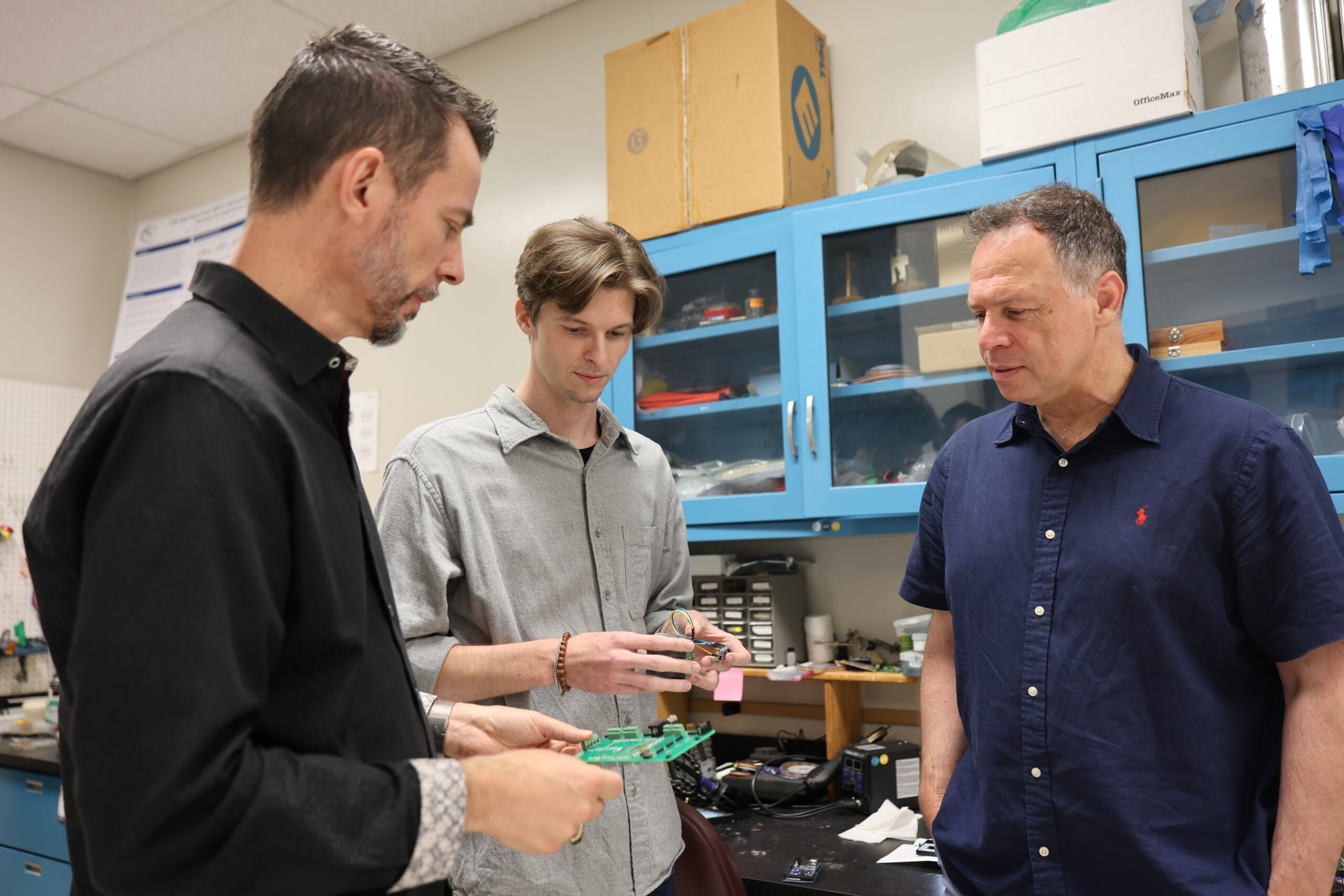
IRVINE, CA - A new review led by researchers at the University of California, Irvine examined how the integration of neuroscience and data science - an emerging field known as “neurodatascience” - is reshaping our understanding of the brain. Published online on April 17, 2026 in the journal Data Science in Science, the paper describes how advances in data analysis, machine learning, and large-scale computing are helping neuroscientists make sense of increasingly complex data.
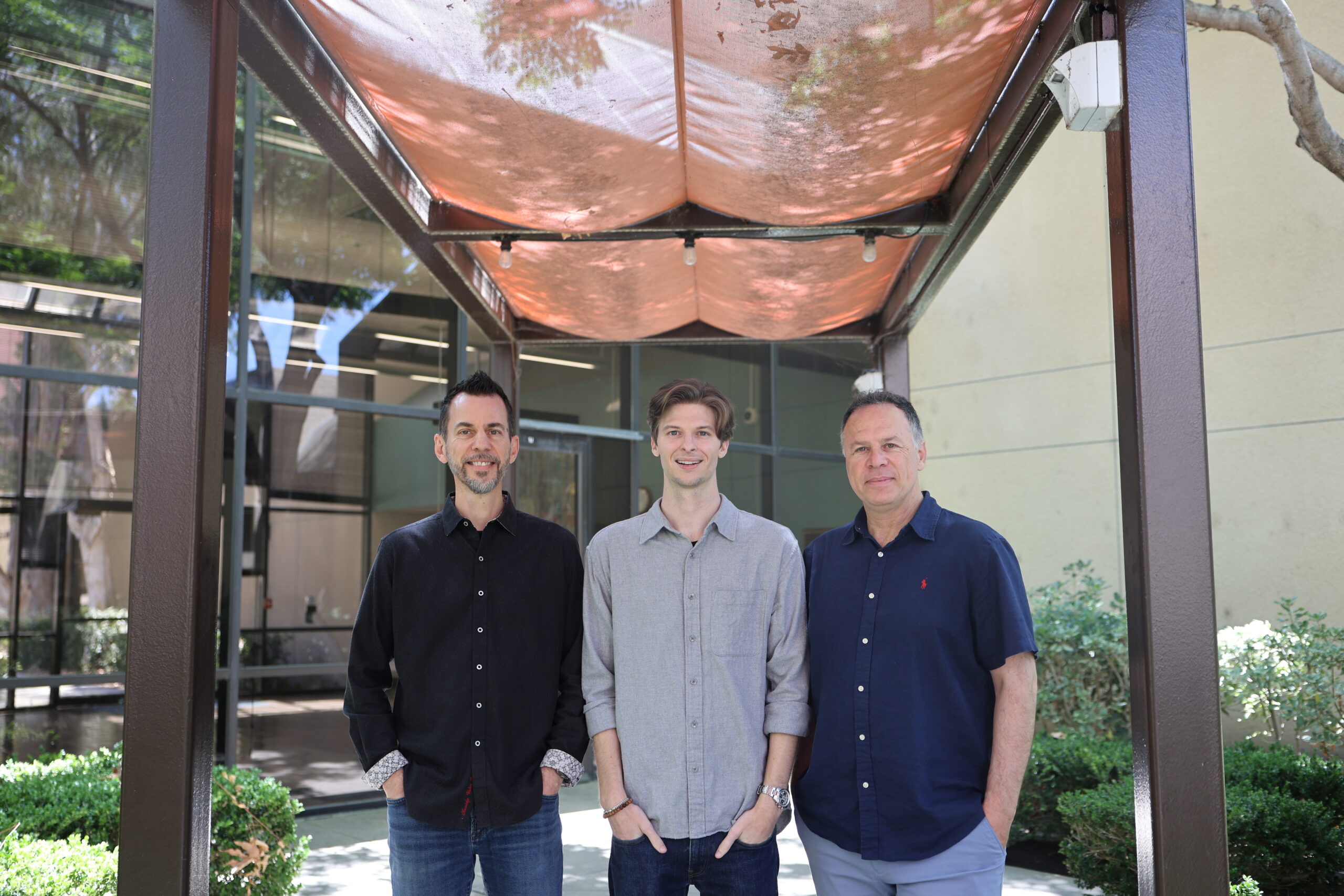
The review, led by postdoctoral scientist Dr. Keiland Cooper along with data scientist Dr. Babak Shahbaba and neuroscientist Dr. Norbert Fortin at UC Irvine’s Center for the Neurobiology of Learning and Memory (CNLM), traces the parallel evolution of recording techniques and the tools used to analyze brain activity, highlighting how advances in each field have continually driven progress in the other.
Over the past several decades, new technologies have allowed scientists to record brain activity at unprecedented scales - from individual neurons to large networks spanning the entire brain. At the same time, advances in data science have made it possible to analyze these massive datasets, uncover patterns, and generate new scientific insights.
“This paper was motivated by our firsthand experience: after collecting large neural activity datasets, addressing our scientific questions required developing novel analytical approaches through close collaboration with statisticians and computer scientists,” said lead author Dr. Keiland Cooper. “We believe that most labs will soon encounter this inflection point, as analytical innovation has become just as critical to neuroscience as recording large-scale brain activity. We hope the article helps researchers across fields to identify the right methods for their current research, but also to plan for how they will handle future challenges.”
One of the review’s central themes is that there has historically been a lag between the development of new neuroscience technologies and the analytical tools needed to interpret the data that these technologies produce. The authors argue that this relationship is not one-directional: in many cases, new data analysis methods have also driven the development of novel experiments and scientific questions.
Today, modern techniques such as high-density electrophysiology and two-photon calcium imaging can record activity from hundreds to thousands of neurons simultaneously, generating enormous and complex datasets. Analyzing this information requires sophisticated computational approaches, including machine learning, dimensionality reduction, and neural decoding methods that help researchers uncover hidden patterns of brain activity.
“The high-throughput technologies neuroscientists are using now have created a massive treasure trove of data,” Dr. Babak Shahbaba commented. “It’s an incredible opportunity for discovery, but it also brings a whole new set of challenges that we need to address by advancing data science, statistics, and machine learning techniques. Labs can’t simply apply the same methods they used on small datasets—they need approaches that can account for the added complexity and scale of modern data.
The review also highlights key challenges facing the field, including the need for improved data processing pipelines, better visualization tools, and methods that can balance population-level findings with individual variability. As datasets continue to grow in size and complexity, these challenges are expected to become even more pressing. As Dr. Fortin remarked, “More data, more problems.”
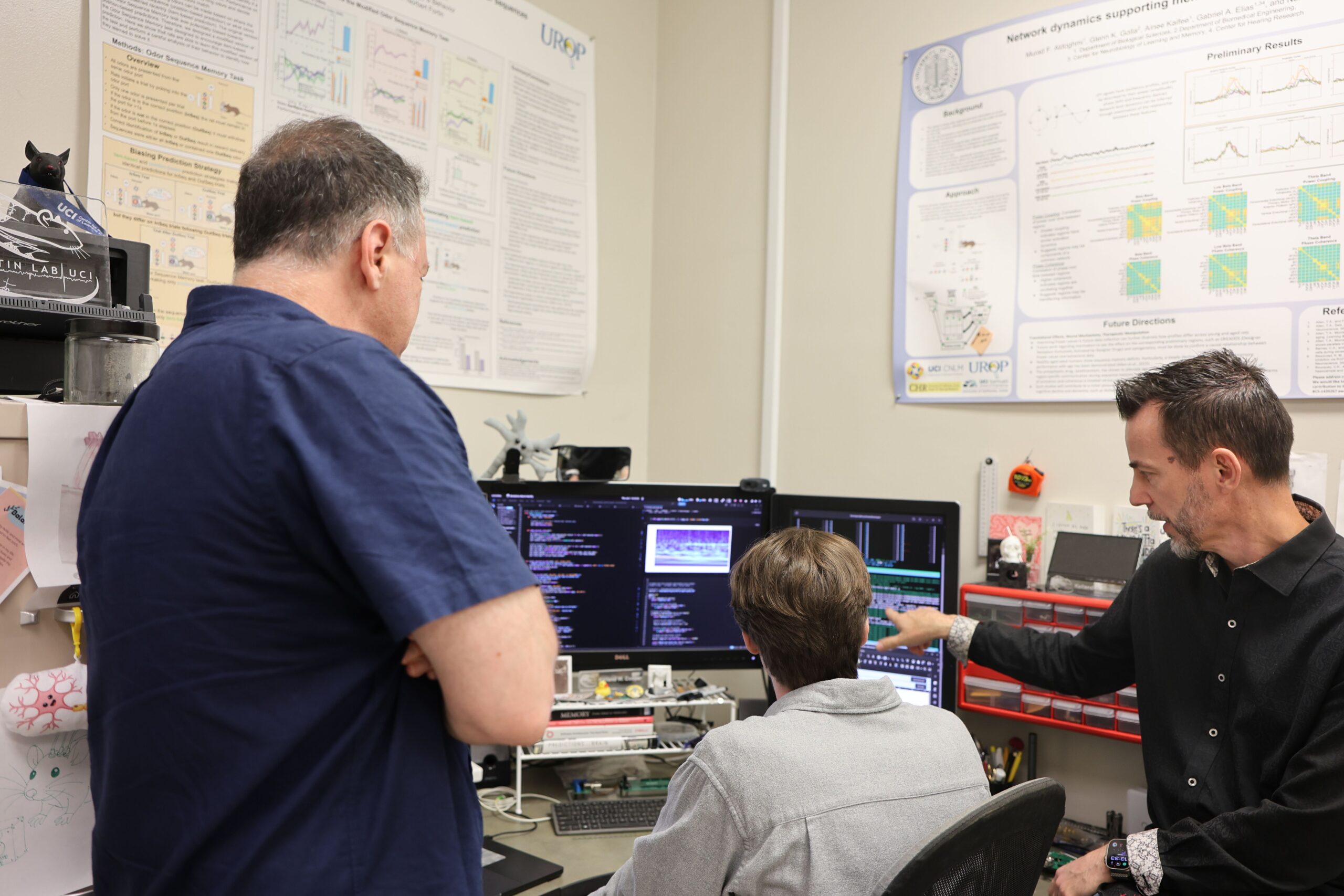
Looking ahead, the authors emphasize the importance of collaboration across disciplines, arguing that continued progress will depend on “team science” approaches that bring together neuroscientists, data scientists, engineers, and statisticians. They also call for continued investment in shared data infrastructure, open-source tools, and interdisciplinary training programs. To support this evolution, the authors developed neurodatascience.org to provide an open resource cataloging the growing ecosystem of data repositories, analytical tools, and data formats.
"There’s no doubt that the future of neuroscience will involve increasingly larger datasets. But we’ll also need to make sense out of those massive datasets in a principled way and I think most neuroscientists still underestimate how difficult that is,” said Dr. Norbert Fortin. “In fact, we argue in the paper that answering neuroscience questions will soon be too complex for any single lab. Since neuroscientists often lack the data science expertise and data scientists lack the biological knowledge, truly integrated interdisciplinary teams won't just be an advantage anymore; they’ll be a necessity."
Ultimately, the authors suggest that the future of neuroscience will rely on maintaining a strong synergy between experimental innovation and data analysis. As brain activity datasets continue to grow in scale and complexity, the field of neurodatascience is poised to play a central role in unlocking new insights into how the brain works and how it supports complex behaviors including memory, perception, and decision-making.
The research was supported by the National Institutes of Health and the National Science Foundation.
Relevant Links
About the Center for the Neurobiology of Learning and Memory
Established in 1983 by the UC Regents, with James L. McGaugh as its Founding Director, the CNLM is the first research institute in the world dedicated to the interdisciplinary study of the fundamental brain mechanisms of learning and memory. It is credited with numerous seminal discoveries about how memory works and is recognized as a global leader in the area. Led by Director Michael Yassa, the CNLM is home to more than 120 faculty scientists at UCI and beyond. The Center’s Office of Outreach and Education develops and leads innovative neuroscience education programs that inspire and train the next generation of neuroscience leaders. For more information, visit cnlm.uci.edu.
For media inquiries, please contact (949) 824-5193 or manuella.yassa@uci.edu