
UC Irvine CNLM Researchers Discover New Details About How Rats Communicate in Social Groups
Researchers find that rats’ ultrasonic calls vary with their behavior and environment, challenging the idea that certain calls signal distress alone
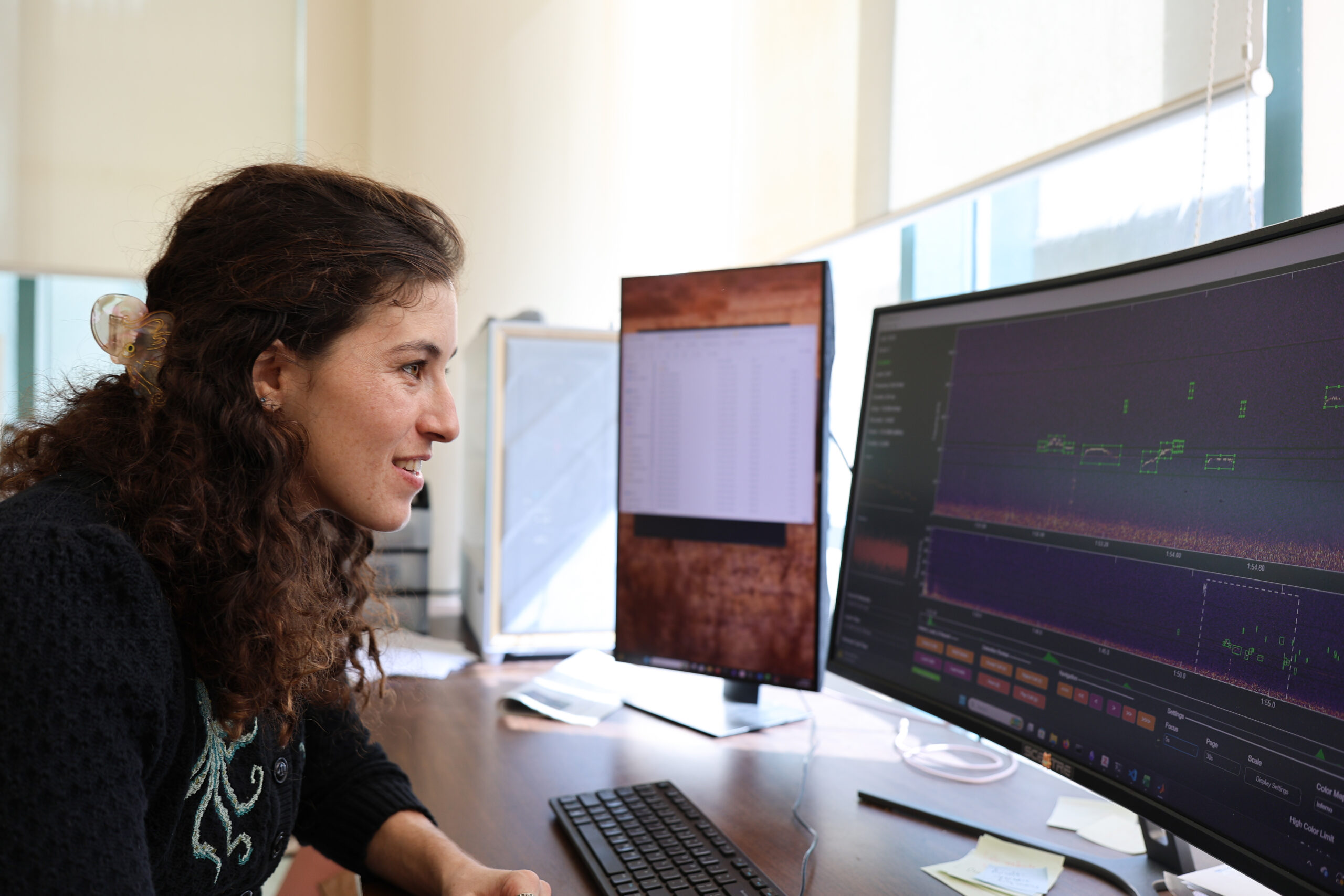
IRVINE, CA - A new study led by researchers at the University of California, Irvine is shedding light on how rats communicate with one another in a naturalistic environment. Published online on May 15, 2026, in the journal iScience, the study examines how rats’ ultrasonic vocalizations, which are sounds that are too high-pitched for humans to hear, change during social interactions, encounters with potential threats, and disruptions to their social structure.
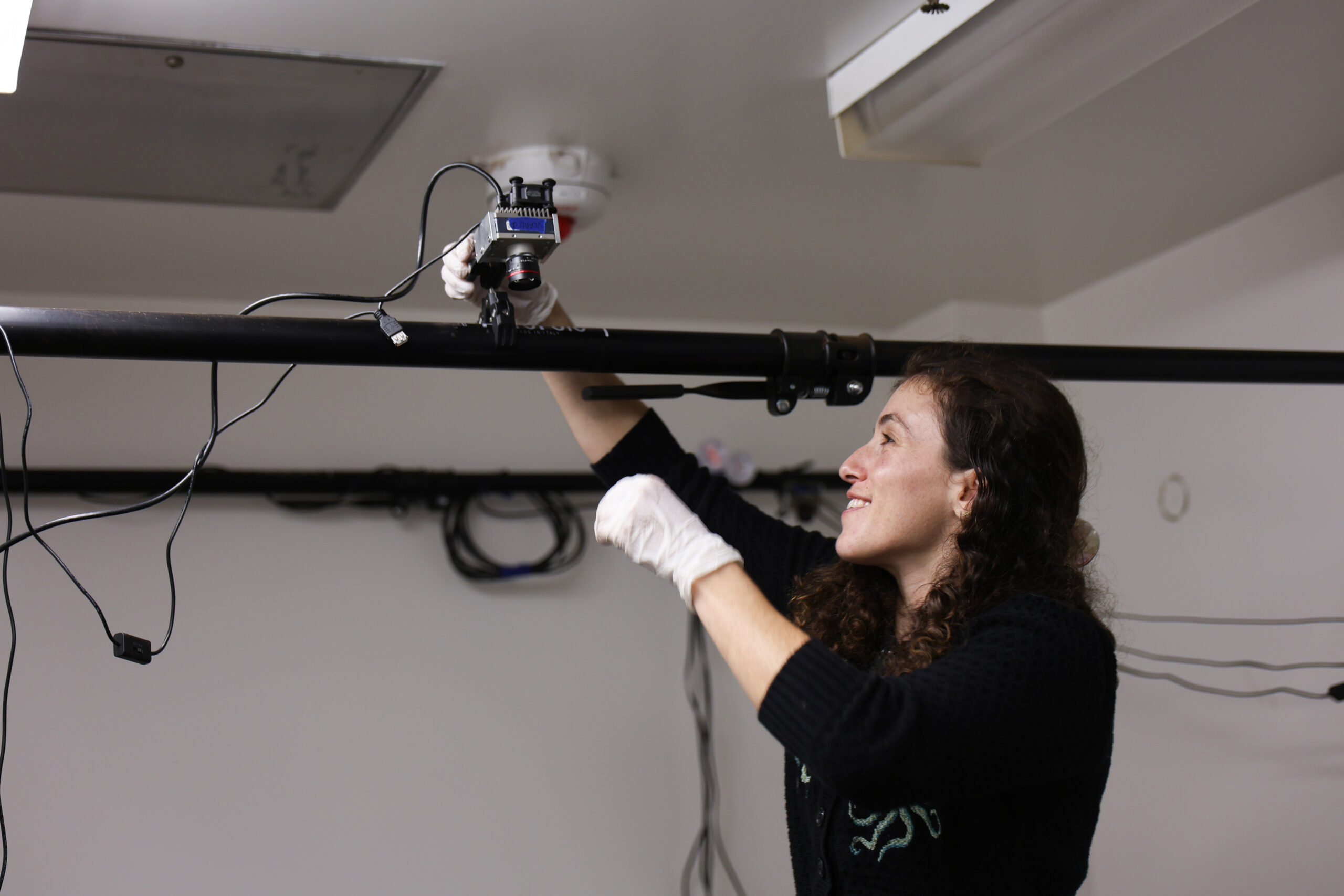
The research, led by graduate student Jordan E. Saltzman and senior author Dr. Ron D. Frostig in collaboration with Dr. Kate Lawson and Dr. Stephen Mahler at UC Irvine’s Department of Neurobiology and Behavior and the Center for the Neurobiology of Learning and Memory (CNLM), offers a detailed look at the relationship between vocal communication and behavior across an entire rat colony. Using infrared cameras and ultrasonic microphones, the team recorded more than 18,000 vocalizations from eight rats living in an enhanced naturalistic habitat designed to encourage more complex, natural behaviors than conventional laboratory cages.
"We believe that research animals should be uncaged and live in an environment that imitates key aspects of their natural habitat, promoting the behaviors – including free movement, social interaction, and communication – that they have evolved for over eons. Only then, they can serve as proper models of the human brain," commented senior author Dr. Ron Frostig.
Rats rely on a variety of signals to communicate, including smell, touch, and sound. Their ultrasonic vocalizations, or USVs, are particularly useful for researchers studying social behavior because different call types have traditionally been associated with different emotional and behavioral states. For example, calls around 50-kHz are generally linked to social interaction, exploration, and reward, while lower-frequency calls around 22-kHz are commonly associated with aversive experiences, such as threats or distress.
However, most studies of rat vocalizations to date have focused on interactions between a small number of animals in simplified laboratory settings. The researchers wanted to understand how these calls relate to behavior when rats live and interact as a group in a more complex environment.
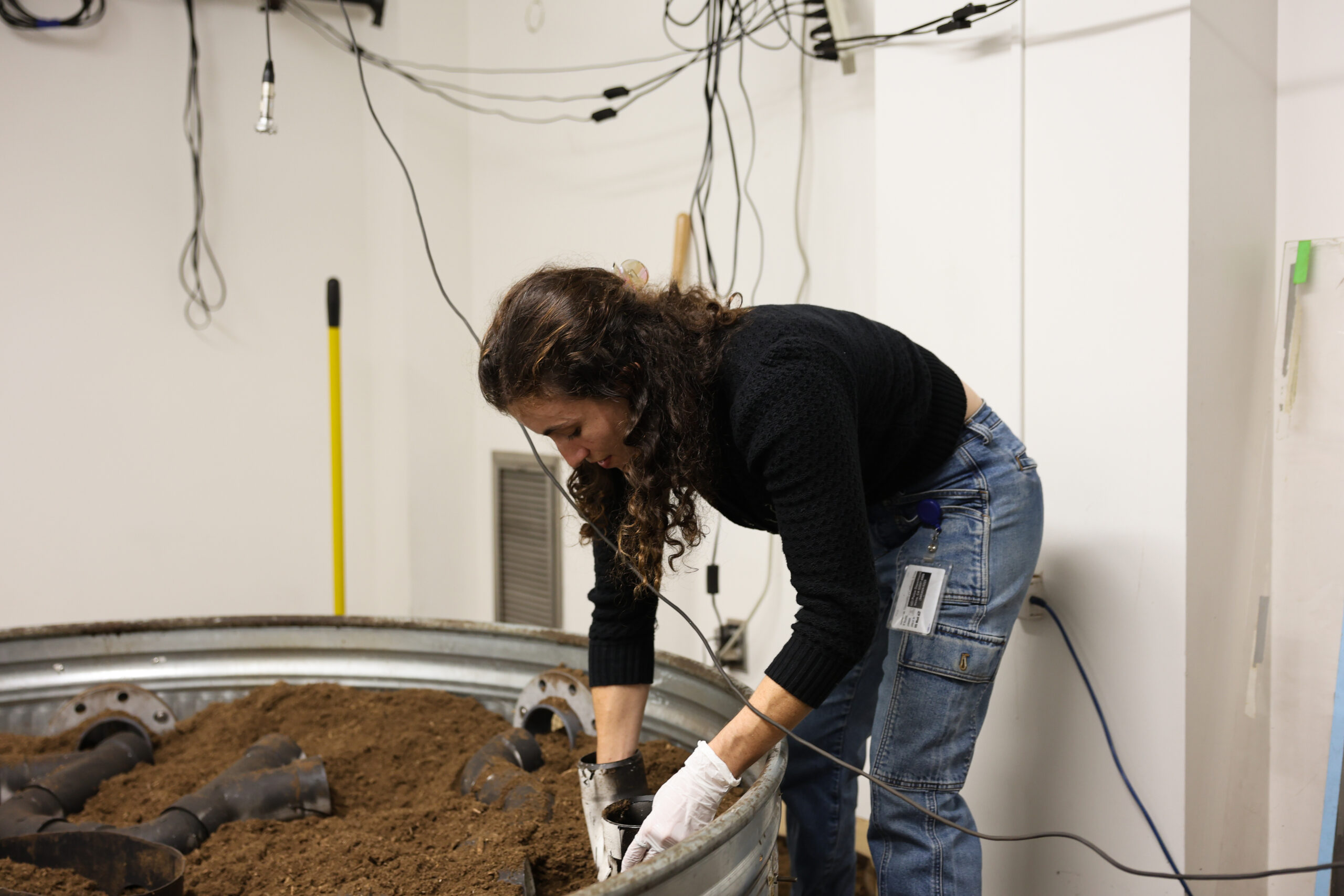
To do this, the team developed an enhanced naturalistic habitat where the rats could explore, socialize, dig burrows, and move between above-ground structures and underground tunnels. Over 27 recording sessions, the researchers paired video observations with ultrasonic audio recordings to examine how the colony’s vocalizations changed across different behaviors and experimental conditions.
One of the study’s most striking findings was that 22-kHz calls occurred in a much wider range of contexts than researchers might expect. Although these calls are typically associated with aversive states, the rats also produced them during exploration, social activity, and periods when they were not visibly interacting with other rats. The findings suggest that these calls may have broader communicative roles than simply signaling distress.
"For decades, 22-kHz calls have largely been viewed as distress or alarm signals, so we were surprised by how often rats made them while exploring, socializing, and just going about their day,” said lead author Jordan Saltzman. “This tells us that a call’s meaning can shift with the social and environmental context. By studying rats in conditions that recreate key features of their natural world, we can better understand how they use vocal communication to navigate their social lives.”
The researchers also identified five recurring vocalization patterns that did not fit existing classification schemes. Four of these patterns featured combinations of rising or falling sound frequencies and flatter, constant-frequency segments. The fifth, which the researchers called an “accented 22-kHz call,” had a distinctive brief change in frequency near the end of the vocalization.
These accented calls appeared following the rats’ initial exposure to cat hair, which the researchers used as a predator-related odor cue. After encountering the hair, the rats rapidly retreated into their burrows, and their vocalizations shifted dramatically toward 22-kHz calls. The rats remained largely hidden for up to two days. During this initial response, the accented calls accounted for about one-fifth of the recorded 22-kHz vocalizations. The distinctive calls did not reappear during a later exposure to the same cat hair.
The study also examined how changes in the colony’s social environment affected communication. When researchers temporarily removed half of the rats, the remaining animals initially increased their exploratory behavior and produced more high-frequency calls. By the following day, lower-frequency 22-kHz calls had become dominant, alongside changes in social behavior and increased aggressive interactions. Vocalization patterns gradually returned toward baseline over the following week, suggesting that disrupting a group’s social structure can have lasting effects on behavior and communication.
In a separate experiment, researchers introduced an unfamiliar rat inside a cage within the habitat. The colony responded with increased vocal activity and a behavior known as swarming, in which several rats crowded around the cage. These changes were not observed when researchers introduced an empty cage containing food, suggesting that the rats’ responses were specifically related to the presence of an unfamiliar animal rather than simply a new object or food source.
Together, the findings highlight the complexity of rat communication and the importance of studying animals in environments that allow them to express a broader range of natural behaviors. Rather than treating 22-kHz calls as simple alarm calls, or mapping any call type to a single emotional state, the results suggest that vocalizations must be understood in the context of what animals are doing and the social and physical environments in which they live.
The researchers note that the study examined a single colony of eight male rats, meaning that additional studies involving multiple colonies will be needed to determine how broadly the findings apply. Nevertheless, the work establishes a framework for investigating vocal communication at the group level and demonstrates how a naturalistic habitat can bridge the gap between highly controlled laboratory experiments and the complexity of animals’ social lives.
By combining continuous behavioral observations with detailed acoustic analysis, the study opens new avenues for understanding how vocal communication supports social behavior. The approach may help researchers investigate the relationships between communication, social dynamics, and the brain systems that support interactions among individuals.
This research was supported by National Institutes of Health, the KIOS Institute, and the Department of Neurobiology and Behavior at the University of California, Irvine.
The study was published in iScience on May 15, 2026. DOI: 10.1016/j.isci.2026.115735
About the Center for the Neurobiology of Learning and Memory
Established in 1983 by the UC Regents, with James L. McGaugh as its Founding Director, the CNLM is the first research institute in the world dedicated to the interdisciplinary study of the fundamental brain mechanisms of learning and memory. It is credited with numerous seminal discoveries about how memory works and is recognized as a global leader in the area. Led by Director Michael Yassa, the CNLM is home to more than 120 faculty scientists at UCI and beyond. The Center’s Office of Outreach and Education develops and leads innovative neuroscience education programs that inspire and train the next generation of neuroscience leaders. For more information, visit cnlm.uci.edu.
For media inquiries, please contact (949) 824-5193 or manuella.yassa@uci.edu